Sunk
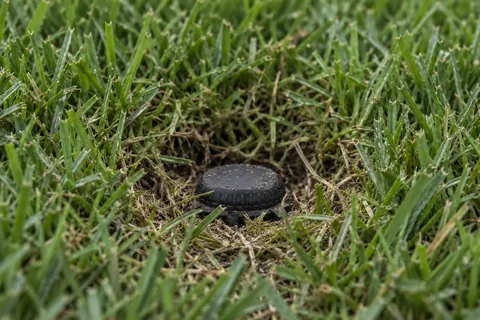
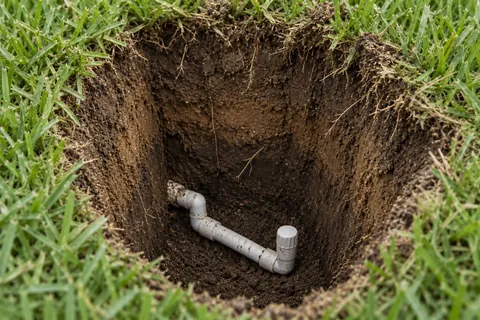
A pocket in the turf — a place for a cleat to catch or an ankle to turn. It also throws its water into the grass around it instead of across the field.
The problem
The heads don’t move. The surface does. And the only tool the industry has ever had for putting them back at grade is a shovel.
It’s a safety problem
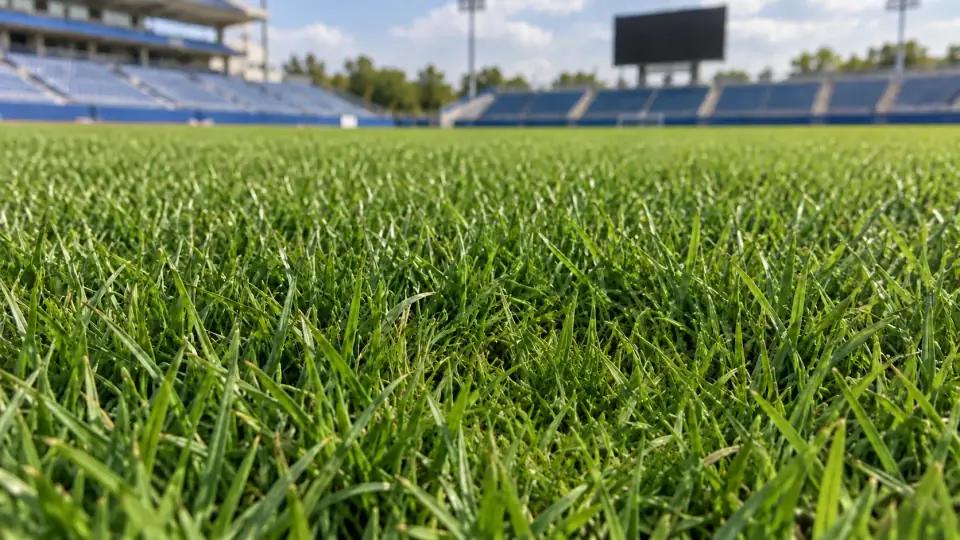
Pro facility standards set a limit on the low side: MLB’s standards for its minor-league (Professional Development League) ballparks call for irrigation rotors to sit no more than a quarter inch below the turf canopy.
Source: MLB Professional Development League Agreement, Exhibit F (Facility Standards), §8.5. MLB is a trademark of its owner; Elevation Irrigation is not affiliated with or endorsed by MLB.
A pocket in the turf — a place for a cleat to catch or an ankle to turn. It also throws its water into the grass around it instead of across the field.
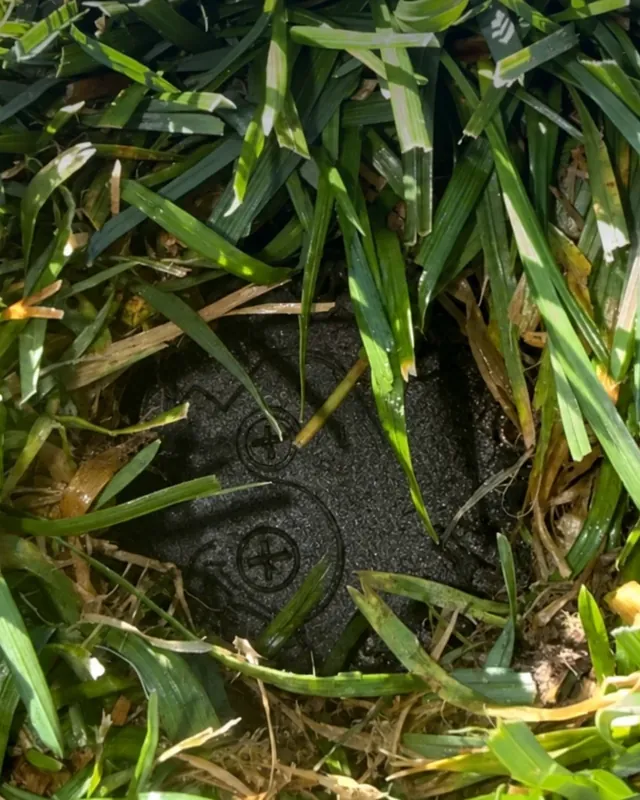
A hard edge in the surface — something for a player or a running kid to trip over, and the first thing a mower finds. Some teams report breaking 6 to 10 sprinklers a year by hitting heads that aren’t set at the right height.
Two forces
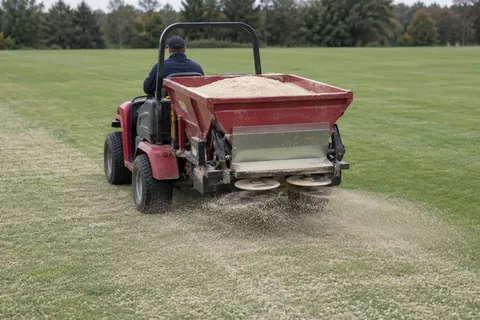
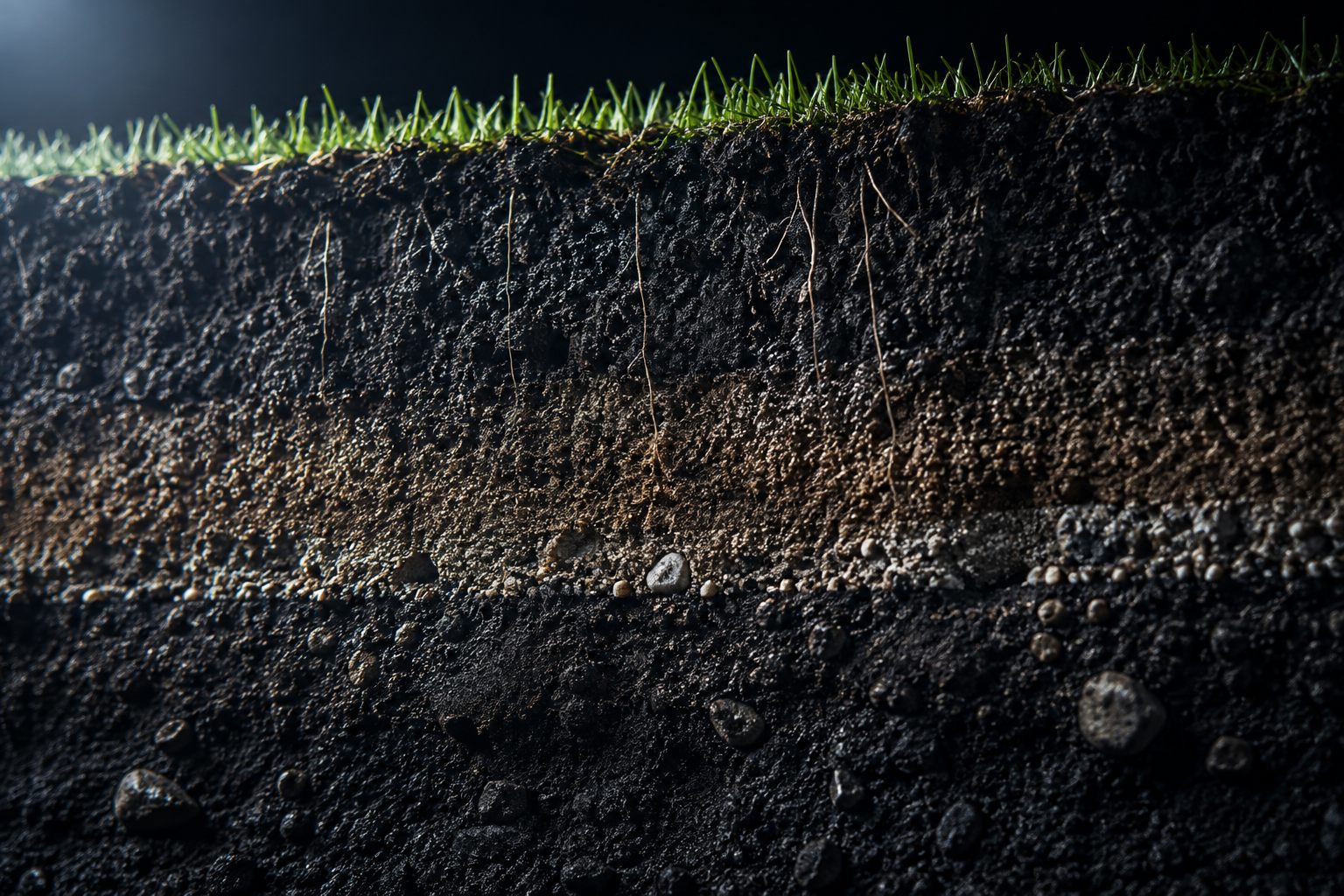
Topdressing
Repeated sand applications gradually raise the field surface. Fixed sprinkler heads sit deeper below the turf, where surrounding grass and soil can interfere with their spray.
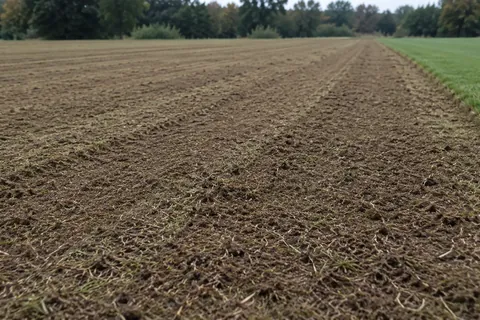
Renovation
Fraze mowing, sand capping, and grading change the surface around existing sprinklers. Heads can end up too high or too low, leaving crews with another round of height adjustments.
Today’s fix
The industry’s answer has not changed since the heads went in the ground: dig each one up and put it back at the new height. Done carefully, it is slow. Done fast, it comes back.
The steps are numbered because they happen in this order, every time, at every head.
Find the head. The as-built map is wrong more often than it is right, so this step involves a probe, a metal detector, or memory.
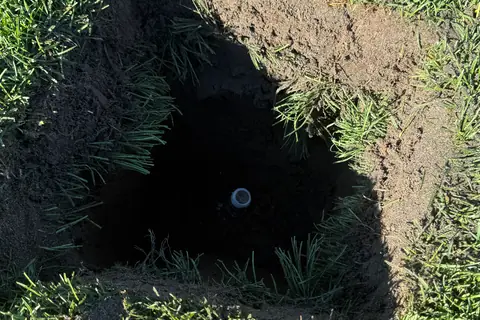
Cut and lift the turf, dig to the swing joint, and open a hole big enough to work in without snapping the lateral.
Cap or hold pressure off the zone while the head is loose. One slip here is a blown fitting under an open hole.
Shim, re-bed and re-level the head to the new grade — by eye, in a wet hole, against a spec that can be as tight as a quarter inch.
Fill in lifts and compact, knowing the fill will settle anyway and take the head down with it.
Patch the sod and water it in. The scar stays visible for weeks, and every patch is a weak point in the playing surface.
The surface keeps moving. Next season, the same head is wrong again.
The surface will keep moving, because managing it well means moving it. Any real answer has to let head height be adjusted again and again without reopening the ground — not corrected once and left to sink.